
A shift from manual tracking to smarter, system-driven financial management
For a long time, businesses across the world relied on handwritten ledger books, spreadsheets, and manual processes to manage their finances. It was simple, familiar, and worked well in the early stages.
But as businesses grow, financial operations become more complex. Tracking transactions, managing cash flow, and generating reports manually starts taking more time and effort. This is where many businesses begin to feel the limitations of traditional methods.
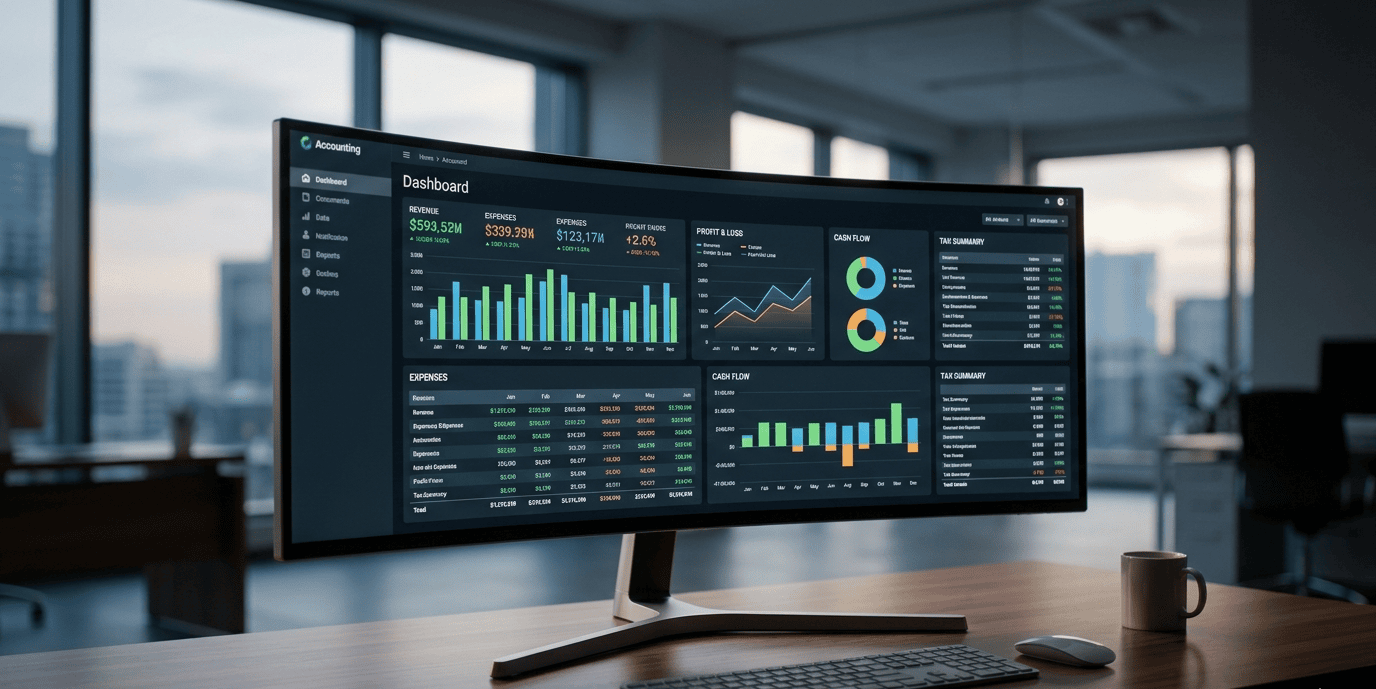
Today, a clear shift is happening-businesses are moving towards cloud-based accounting systems to bring structure, visibility, and efficiency into their financial management.
The Traditional Approach: Reliable, But Limited
Ledger-based accounting has its strengths. It’s easy to start, requires minimal setup, and gives business owners a sense of control.
However, as operations expand, challenges begin to surface. Manual entries increase the chances of errors. Financial data is often scattered, making it difficult to get a clear picture of the business. Reporting becomes time-consuming, and real-time insights are almost impossible. In many cases, the entire financial process depends on one person-usually the owner or a key employee. This creates risk and limits scalability.
Why Businesses Are Moving to Cloud Accounting
The shift to cloud accounting is not just about adopting new technology-it’s about solving real business problems.
With cloud-based systems, businesses can access financial data anytime, from anywhere. Instead of waiting for periodic reports, they can monitor performance in real time. This enables faster and more informed decision-making. Routine tasks such as invoicing, expense tracking, and bank reconciliation become more streamlined. This reduces manual effort and improves accuracy. More importantly, financial data becomes structured and accessible, reducing dependency on individuals and improving overall control.
What Changes After Modernising Finance
When businesses move to structured financial systems, the impact goes beyond convenience.
They gain better visibility into cash flow, outstanding receivables, and profitability. Reports that once required hours of effort can now be generated instantly. Teams can collaborate more effectively, with defined roles and access levels. This improves accountability and ensures consistency in financial operations. Most importantly, the business becomes less owner-dependent. With systems in place, operations can continue smoothly without constant supervision.
The Bigger Shift: From Manual to System-Driven Operations
This transformation is not just about replacing ledger books with software. It reflects a deeper shift in how businesses operate.
Moving to system-driven financial management allows businesses to rely on data rather than assumptions. It creates consistency, improves control, and enables scalability. This is how businesses move from person-dependent operations to process-driven systems that support long-term growth.